
How to Optimize the Utilization Effect of Duck Feed Fats? Lysolecithin Helps Formula Upgrade
When it comes to meat duck farming and feed formula, many people will encounter such a situation:
Although fat is added to the diet, how to make fat better exert its nutritional value is still the key concern in formula design
Especially in the application of high-fat diets, the following are often faced:
The need to optimize the dispersion state of fat; there are differences in the nutritional needs of lipids for meat ducks at different stages; comprehensive consideration is needed for feed processing stability and formula design
Many times, we focus on "how much fat is added", but easily ignore "how to better utilize fat"
In fact, the application of fat in feed is not only related to the addition amount, but also closely related to the emulsification state, digestion process and overall nutrition program
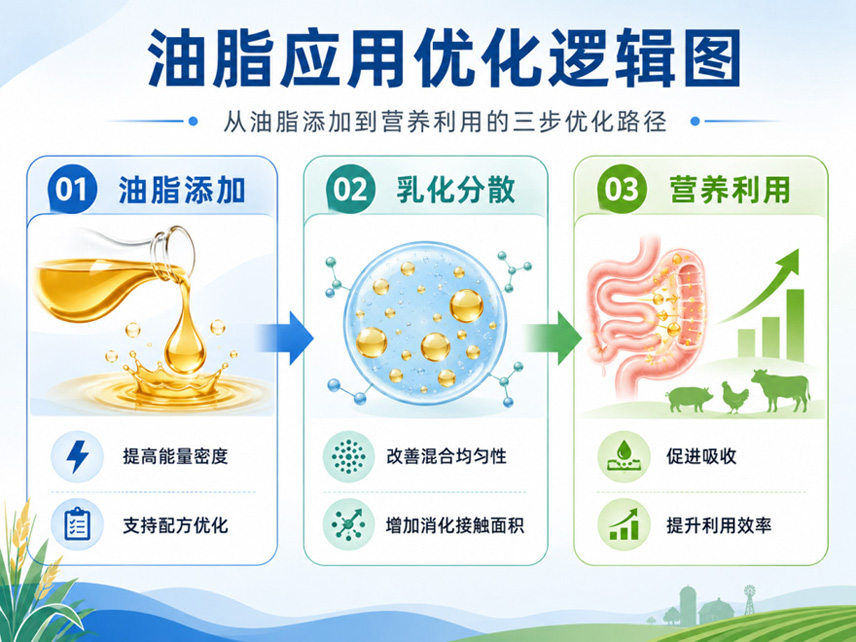
Today, let's talk aboutLysolecithin
LysolecithinIt has good emulsification properties, can help fat form a more uniform dispersion state, and provide good conditions for the utilization of lipid nutrition
Core Application Value
Optimize fat emulsification state, support lipid nutrition utilization
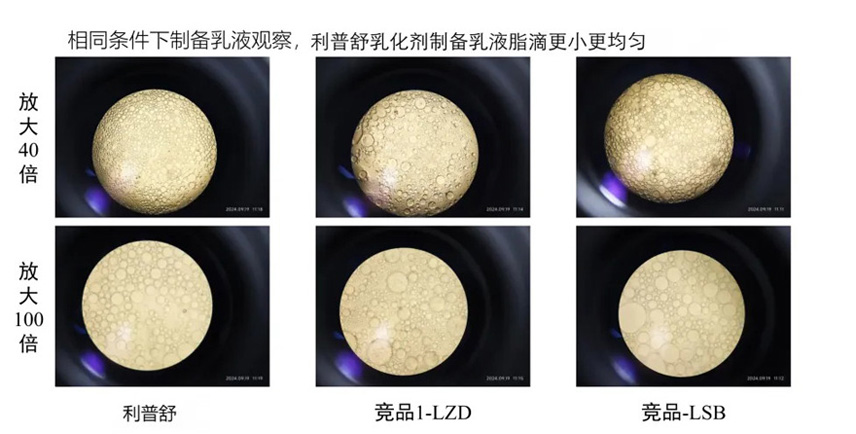
Improve formula design flexibility, meet different needs
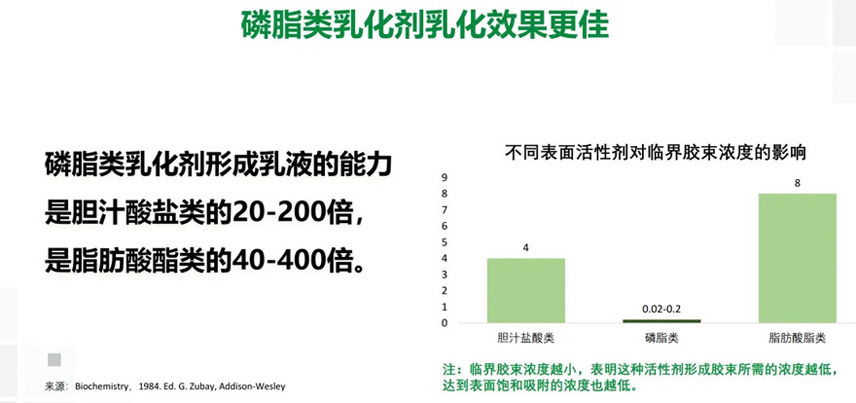
Ducks at different growth stages have different nutritional requirements. Lysophosphatidylcholine can be reasonably applied in combination with diet structure, oil level and processing technology, providing more choices for ducklings' feed, medium and large ducks' feed and different oil formulas
Clarification of application cognition is needed

From August 19 to 21, at Shanghai VIV, Jiayijia will bring acid products and animal nutrition application solutions to the exhibition
Around optimizing oil utilization, Jiayijia will shareLysophosphatidylcholineApplication solutions and other contents
Welcome industry partners to come and communicate, and jointly explore new directions in nutritional application